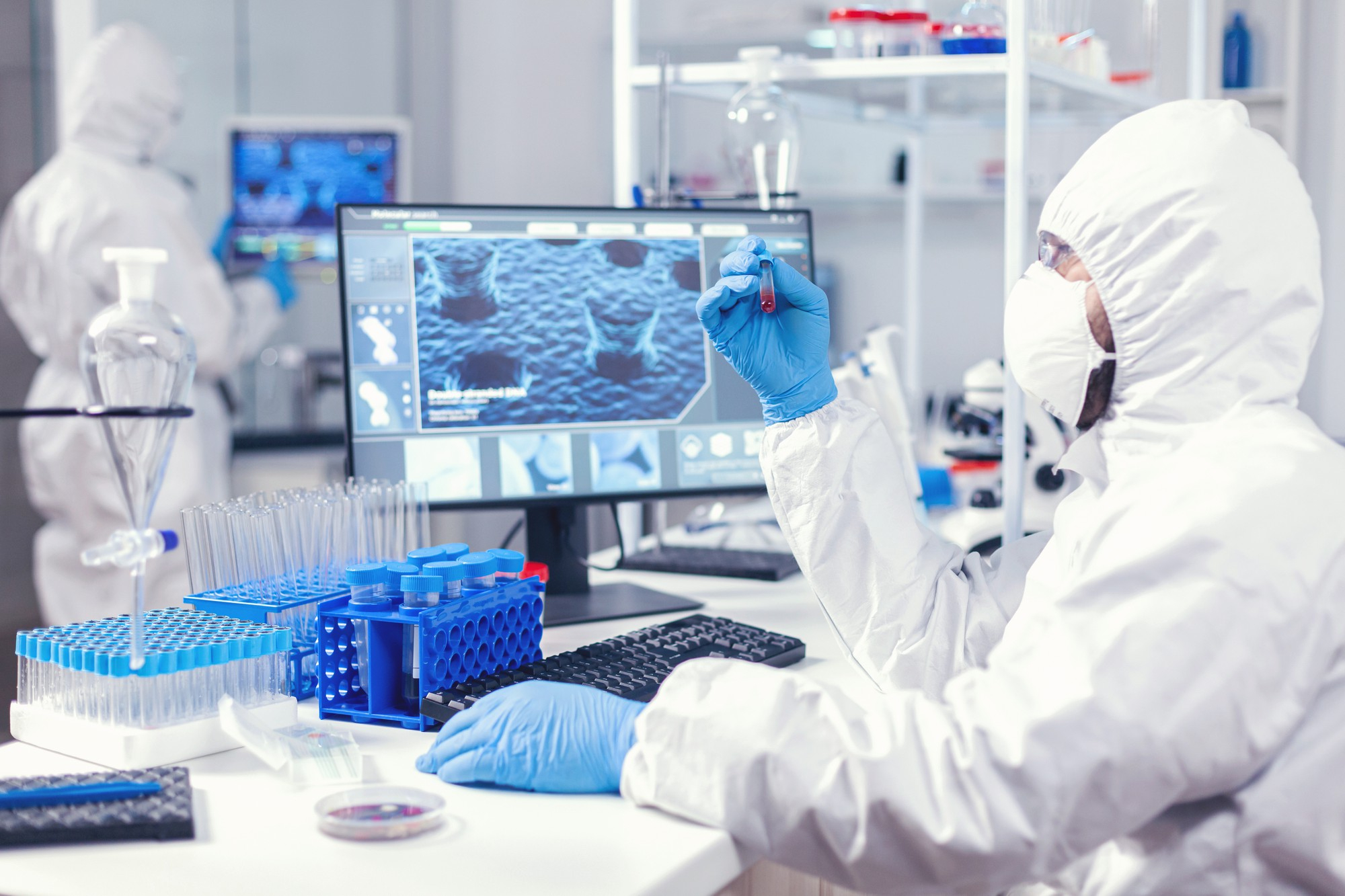
Bachelor's degree in Medical Engineering

The rising trend of the use of medical technology on a global scale and in Sudan is also a prominent feature of the health sectors. This trend has become clear on the scale of health services in the areas of diagnosis, analysis and treatment in both public and private institutions. Hence the importance of having a qualified technical staff to operate and maintain electronic medical equipment and equipment. In particular, there is an urgent need to deal with high professional efficiency with such high-cost devices. Based on the background above, the proposed program aims to meet the demand and the lack of trained technical cadres in this field. High, the college has been keen to complete all the elements of the new program in terms of curriculum, teaching staff, and appropriate academic and professional equipment.

About the program

It is a degree Bachelor of Science (Hons) in Biomedical Engineering A high-level academic program that aims to graduate engineers capable of designing, developing and maintaining modern medical devices and technologies. The curriculum combines basic engineering courses (such as physics, mathematics, and electronics) and medical courses (such as anatomy, physiology, and histology), as well as modules specialized in:

–>Programme’s 5 years of program nature, full time, instructional language, English, admission requirementsFirst: Academic Secondary Certificate:
to be successful in the subjects eligible for the program (Arabic, Religious Education, English Language, Specialized Mathematics, Physics, Chemistry, Biology), and any of the computer sciences or engineering sciences. Technical: Technical: Industrial Technical Section: Arabic Language, Religious Education, English Language, Specialized Mathematics, Physics, and the best two subjects of chemistry or industrial origins, technical drawing, computer science or engineering sciences.

Highlights:

  • Medical device designLearn the foundations of designing diagnostic and therapy tools, such as live imaging and monitoring equipment.

  • Signs and BioSystemsAnalysis and treatment of biosignals taken from the human body and the development of algorithms to read health indicators.

  • biomaterialsA study of the properties of materials used in the installation of prosthetics and medical implants.

  • Safety Labs and ProtocolsApplying practical experiences to vital models, with adherence to international quality and safety standards.

The program also encourages its students to Participation in research projects Field training in collaboration with hospitals and research centers, which gives them real experience in solving health problems using engineering technologies, and prepares them for innovation and active contribution to the development of the healthcare sector.

Program courses:

Basic courses required for biomedical engineering

1


CreditsSemester 1
2Islamic Studies I
2Arabic Language I
2English Language I
3Introduction to Computing
3Calculus I
3Algebra & Geometry
4General Physics
4General Chemistry
CreditsSemester 2
2Islamic Studies II
2Arabic Language II
2English Language II
4Biophysics
3Calculus II
3Engineering Drawing I
2Mechanics
3Electric Circuit I


CreditsSemester 3
2English Language III
3Structured Programming Using C
3Differential Equations
3Complex Variables
3Anatomy & Physiology I
3Electric Circuits II
3Computer Aided Engineering Drawing II
CreditsSemester 4
2Material Science
3Cell & Molecules
3Anatomy & Physiology II
3Semiconductors & Electronic Devices
3Mathematical Methods
2English Language IV


CreditsSemester 5
3Biomedical Probability & Statistics
3Digital Circuits I
3Electronic Circuits I
3Principles of Mechanical Engineering
3Electromagnetic Fields
CreditsSemester 6
3Numerical Methods
3Electronic Circuits II
3Digital Circuits Design II
2Signals & Systems
2Electrical Machines
3Biomechanics


CreditsSemester 7
3Microprocessors & Assembly Language
3Control System
3Biomedical Signal Analysis
3Power Electronics
3Electrical Measurement & Instrumentation
3Medical Sensor
3Diagnostic Imaging I
CreditsSemester 8
3Diagnostic Imaging II
3Interfacing Biomedical
3Biomedical Instrumentation
2Engineering Economics
3Introduction to Telecommunication
3Medical Image Processing
3Biomedical Training I
2Workshop Technology


CreditsSemester 9
3Physiological Monitoring & Data Analysis
3Medical Ultrasound
3Rehabilitation Engineering
3Optoelectronics & Laser in Medicine
3Neural Network & Artificial Intelligence
2Industrial Management
CreditsSemester 10
3Artificial Organs
3Hospital Engineering
2Quality Control & Safety
3Radiotherapy
3Selected Topic in Biomedical
6Final Year Project II
3Biomedical Training II

Student Testimonies

From the first day I entered the Department of Biomedical Engineering at Al Bayan University, I felt that education here is completely different. The laboratories are equipped and our followers are step by step with us in every practical experience. The support from the professors made me stay confident in myself and treat medical devices as if I were with professional engineers.

أحمد مصطفى
الهندسة الطبية الحيوية

In the program, I really liked that it really combines engineering and medicine, and when we apply the theory in workshops and field projects in the hospital, we will see the impact of our knowledge on people's lives. The atmosphere between students and professors is also friendly and motivated by innovation.

سارة الأمين
الهندسة الطبية الحيوية

Honestly, I didn't expect to learn the skills of biosignal analysis and hardware design in the first year, but thanks to intensive courses and practical training, I was able to solve health problems using engineering techniques. The university here made me feel that my medical and engineering future is guaranteed.

محمد عثمان
الهندسة الطبية الحيوية

University contact information

Social media:

Stay up to date with the latest news

We publish all updates on the university's website and communication platforms